Code2Cure Technical Challenge
Beyond Diagnosis: Closing the Gap in Learning Accessibility
Event dates: 18-19 April 2026
Challenge Focus
Cognitive & Neurodiversity Support
- •ADHD, autism, dyslexia, dyscalculia
- •Attention and executive-function support
- •Accessible learning experience
Early Detection & Intervention
- •Behavior and engagement analytics
- •Classroom and emotional monitoring tools
- •Early support for learners at risk
Inclusive Learning Environments
- •Adaptive interfaces and assistive tools
- •Smart classroom accessibility
- •Cognitive-load management
Teacher & Caregiver Support
- •Classroom analytics dashboards
- •Personalized learning plan assistance
- •Caregiver-teacher communication tools
Challenge Phases
Current Phase: Phase 3: Final Pitch
Phase 1: Ideation
10-17 March 2026
- •40-second call-to-action video
- •2-3 pages initial technical proposal
- •Concept architecture and expected impact
Phase 2: Technical Development
17 March - 16 April 2026
- •Functional MVP or 3D simulation
- •Technical report and public GitHub repository
- •7-minute presentation + 3-minute demo video
Phase 3: Final Pitch
18-19 April 2026
- •5-minute pitch + 2-minute demo
- •5-minute jury discussion
- •Live prototype demonstration
SDG Alignment
SDG 3
Good Health and Well-being: promoting mental and emotional well-being for students through inclusive support systems.
SDG 4
Quality Education: enabling accessible, adaptive, and equitable learning environments for all learners.
SDG 10
Reduced Inequalities: reducing educational gaps for marginalized and neurodiverse communities.
Participation Guidelines
- •Teams must include 3-5 members with complementary roles.
- •Each team must submit and maintain a public GitHub repository.
- •Submitted work must be original; third-party resources must be credited.
- •Solutions should follow accessibility, ethical AI, and data privacy principles.
- •Attendance to mentoring/workshop sessions is mandatory.
- •Late policy: up to 5 minutes accepted; over 1 hour leads to disqualification.
Evaluation Criteria
Phase 1 - Ideation
- •Problem definition and relevance
- •Originality and feasibility
- •Proposal clarity and SDG alignment
Phase 2 - Prototype
- •Technical quality and implementation
- •Usability and measurable impact
- •Scalability, ethics, and accessibility
Phase 3 - Final Pitch
- •Problem-solution coherence
- •Demo quality
- •Presentation clarity and Q&A performance
Meet the Juries
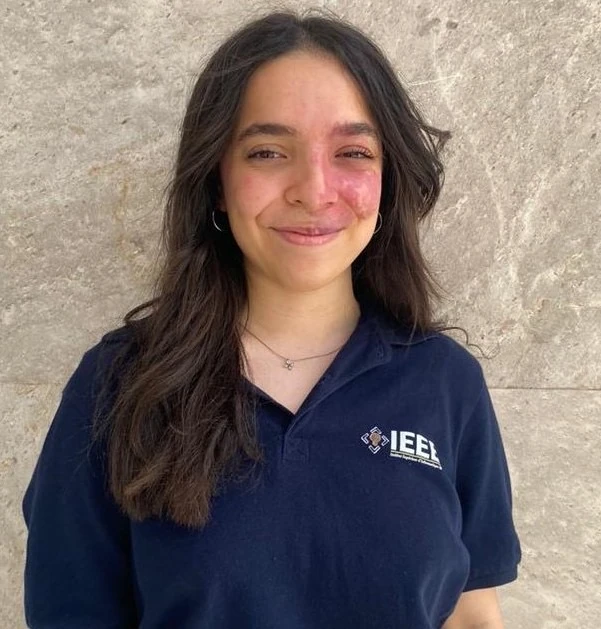
Lina LABIDI
Research master's student in software engineering at ISI Tunis El Manar. IEEE EMBS Tunisia chapter secretary, COO and co-founder of ديڨوردية. IEEE Tunisia SIGHT groups coordinator and IEEE Entrepreneurship Local Group ecosystem and partnership lead. IEEE KTM Marketing lead.
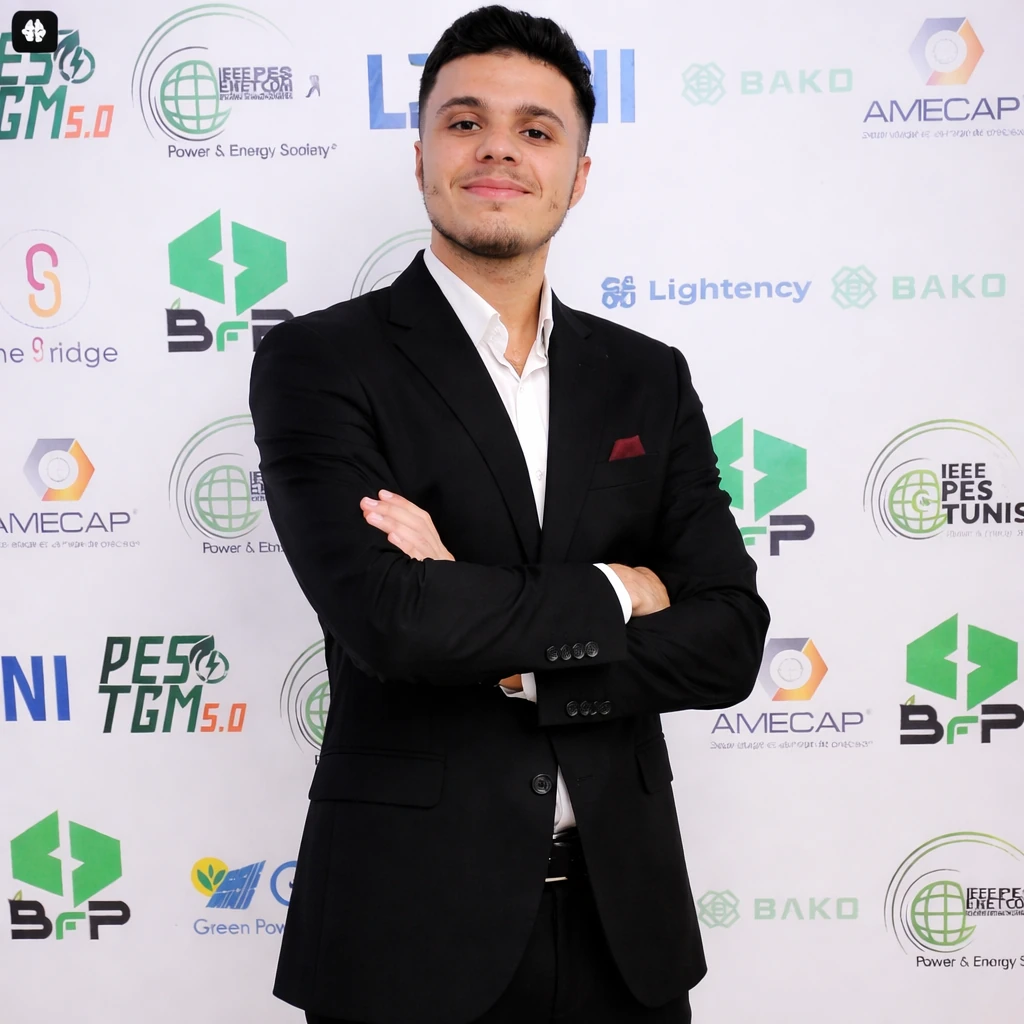
Ayoub Madyouni
Mechanical Engineer at VALEO. Research master's degree student in mechanical and production engineering. IEEE CEDA Tunisia Section chapter coordinator, IEEE PES DAY 2026 Core team Public Relation Lead, and IEEE PES WIE Region 8 liaison officer chapter. IEEE PES SYP Mentor managing email, content, and video editing for the IEEE STUDENT Virtual Speakers bureau.

Salim Hamouda
Head of Marketing & Business Development at GoToGreen, pioneering sustainable technology solutions. New Initiatives Coordinator for SIGHT Tunisia Section and Youth Activist & Trainer with UNESCO. Computer Science Student bringing business acumen and humanitarian focus to tech initiatives.

Mohamed Hbib Allah Bibani
A Software Engineer and AI Product Builder focused on designing and building scalable, impactful solutions. Co-Founder of Aylo AI and Co-Founder & Head of Hackini, with professional experience at Prospercter. He actively contributes to IEEE as New Initiatives Coordinator within the Technical Activities Committee (TAC) Tunisia Section, where he drives innovation and supports the growth of the tech community.
IEEE Technical Partners